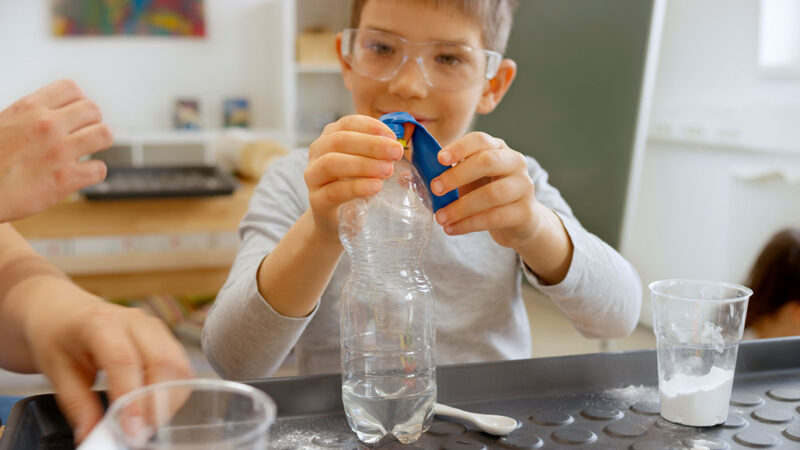
Experiment: Yeasty beasties
Objective: Measure how active yeast is in different conditions Areas of science: Microbiology Difficulty: Hard beginner Time required: ≤ 1 day Prerequisites: None Material availability: Readily available Cost: Under $20…
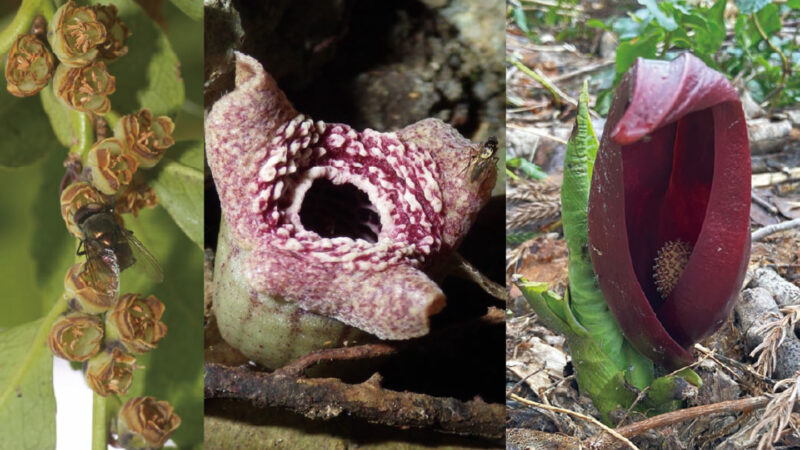
A genetic trick leaves these stinky plants reeking of rotting flesh
Not all plants attract pollinators by smelling sweet. Some stink like rotting meat or even dung. Those odors can attract flies that will pollinate them. This stench is much like…

Scientists Say: Ratio
Ratio (noun, “RAY-shee-oh”) A ratio is a way to compare two numbers. Imagine you are baking cookies. The recipe calls for 1 cup of sugar and 2 cups of flour.…
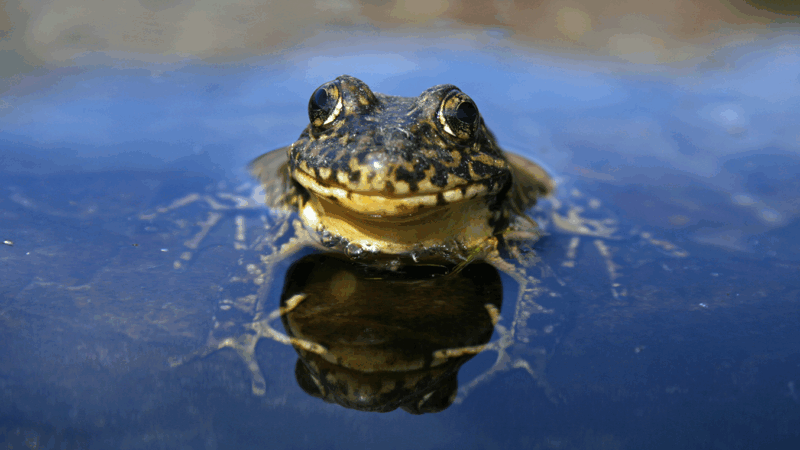
Analyze This: Moving frogs to new places helped an endangered species spread
A deadly fungus has been wiping out amphibians around the globe. But some frogs that have developed resistance to the disease are helping their species bounce back. Mountain yellow-legged frogs…
How do octopuses coordinate their arms?
Abstract Have you ever tried patting your head and rubbing your stomach simultaneously? Coordinating two arms at the same time can be difficult. So imagine if you had eight arms,…

Can a supervillain destroy the sun?
The sun’s light and warmth make life possible on Earth. But these same qualities also make the sun a tempting target for fictional supervillains. If an evildoer could control the…

Mice show us why food poisoning is so hard to forget
Food poisoning isn’t something we easily forget. Scientists have now homed in on what makes it so unforgettable. Alarm cells lock the experience into our brain’s circuitry as a yucky memory.…

This researcher investigates the risks of digitally cloning the dead
Consider this hypothetical scenario: 8-year-old Sam is texting with his mom, Anna. Anna apologizes for missing his concert last week. But Anna isn’t away on a trip. In fact, she…
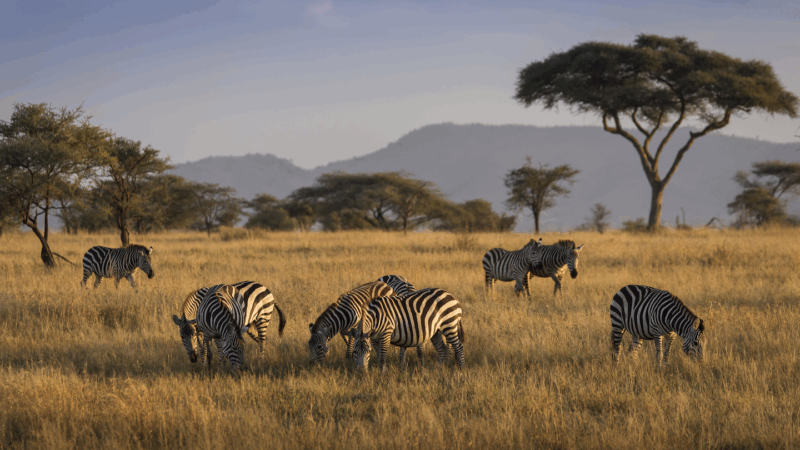
Scientists Say: Ecosystem
Ecosystem (noun, “EE-koh-sis-tem”) An ecosystem is a network of living and nonliving things interacting in the same place. The living things in an ecosystem could include animals, plants and microbes.…
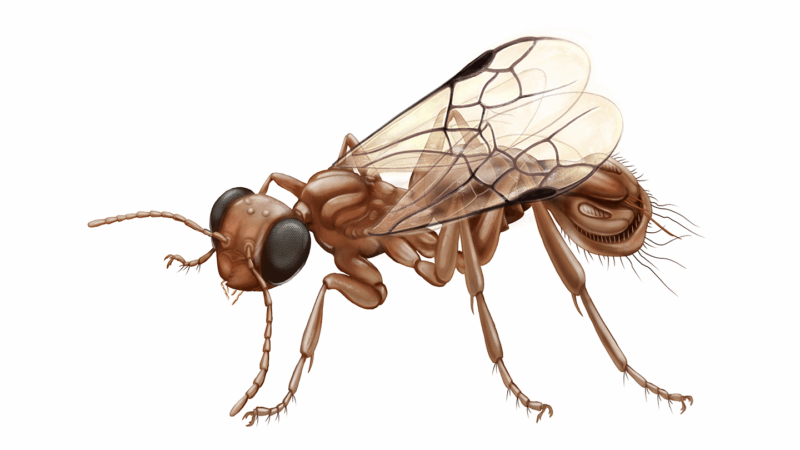
The rear end of this ancient wasp was built like a Venus flytrap
One ancient type of wasp appears to have had an especially freaky way to trap prey 99 million years ago. It used a mouth-like structure on its backside, fossils now…