Birds of paradise have a newly discovered glow
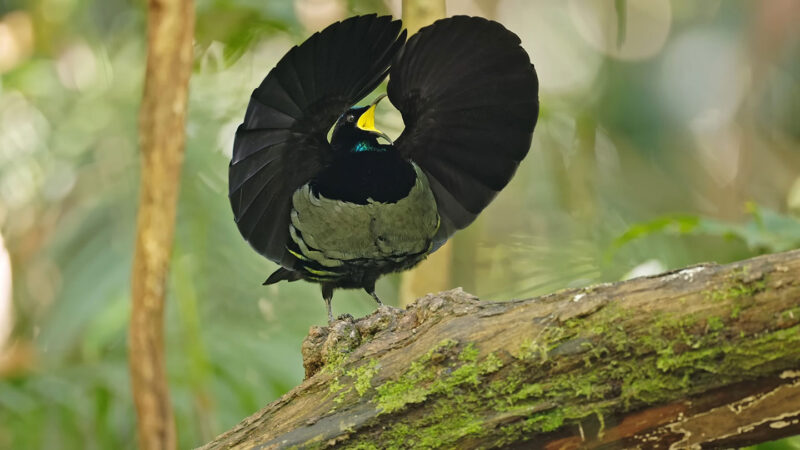
Male birds of paradise can really put on a show. They aren’t just adorned with striking colors. They’re also known to use snazzy dance moves to woo potential mates. Now,…

This astronomer searches for alien chemistry and tech
One of the main ways that scientists look for extraterrestrial life is by detecting radio waves. When people hear this, they often think it involves snooping on aliens, says Chenoa…
DNA reveals the origin of East Asia’s favorite sweet bean
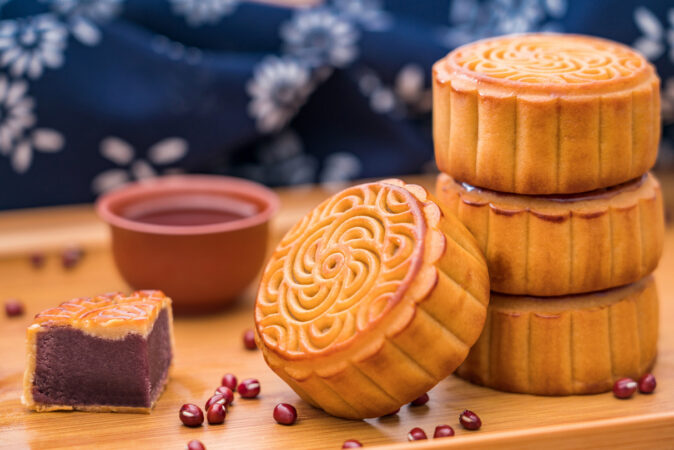
Red adzuki beans are a beloved staple in East Asia. Cooks tuck a sweet paste made from them inside mochi, swirl it into mooncakes and layer it beneath custard in…
Scientists Say: Genome
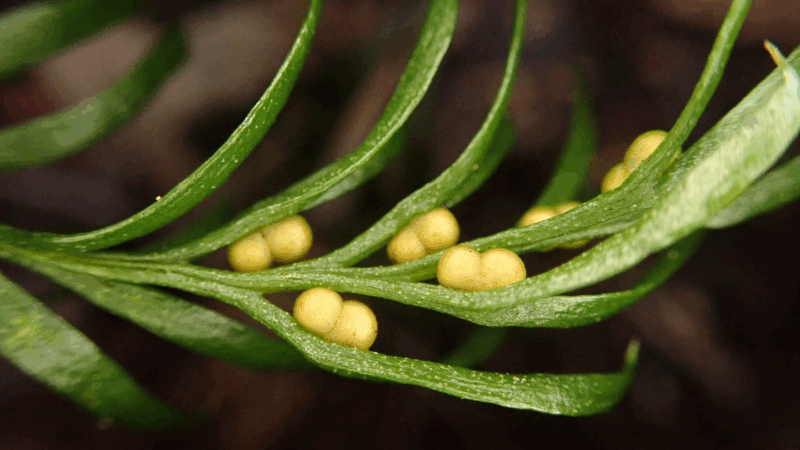
Genome (noun, “JEE-nome”) A genome is an organism’s complete set of genetic instructions. For most living things, genetic instructions come in the form of DNA. This molecule contains the instructions…
What do Egyptian mummies smell like?
There are lots of things to see in museums. Some museums even have things you can touch or hear. But not many museums have things you can smell. Smells from…
New clues about dino speed come from birds strutting through mud
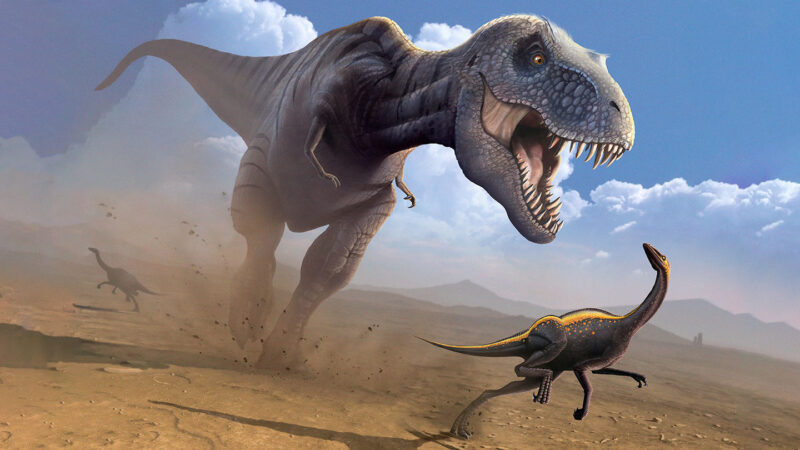
Ask Google “how fast were dinosaurs,” and you’ll quickly get a bunch of answers. It’s said that Tyrannosaurus rex could have run a five-minute mile — and Velociraptors could have…

35 years on, Hubble continues to revolutionize astronomy
Over the last 35 years, the Hubble Space Telescope has brought us one stunning view of the universe after another. To date, this school bus–sized telescope has observed more than…

Lasers can eavesdrop on microbes, including viruses
What do viruses sound like? Scientists recently found out. They developed a way to eavesdrop on these and other microbes. This new tech can help scientists study such microbes and…

A new dwarf planet may skirt the edge of our solar system
A possible cousin of Pluto seems to be circling the far reaches of the solar system. Known as 2017 OF201, it’s a suspected dwarf planet — a round rock too big to…
Scientists Say: Steppe
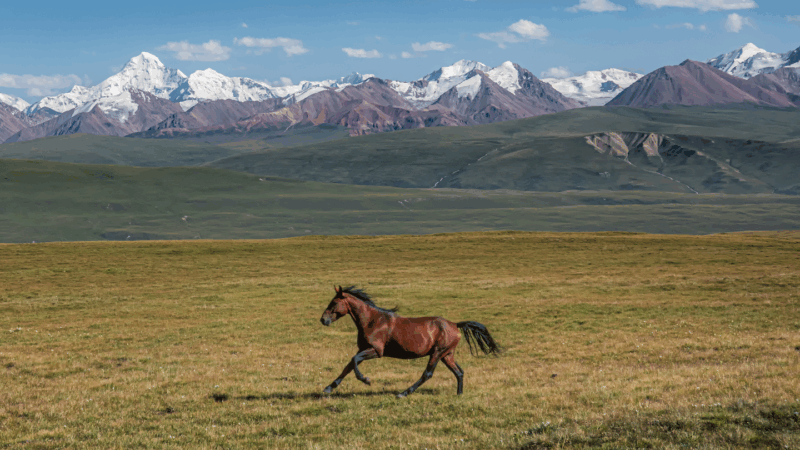
Steppe (noun, “STEP”) A steppe is a flat, dry grassland. These grassy plains occur in temperate regions with a dry climate. Steppes contain mostly grasses — often short — and…