
Scientists Say: Pyrolysis
Pyrolysis (noun, “Py-RAW-leh-sis”) Pyrolysis is a process though which heat breaks down large molecules into smaller ones. It is just one of the chemical reactions that occurs when something is…
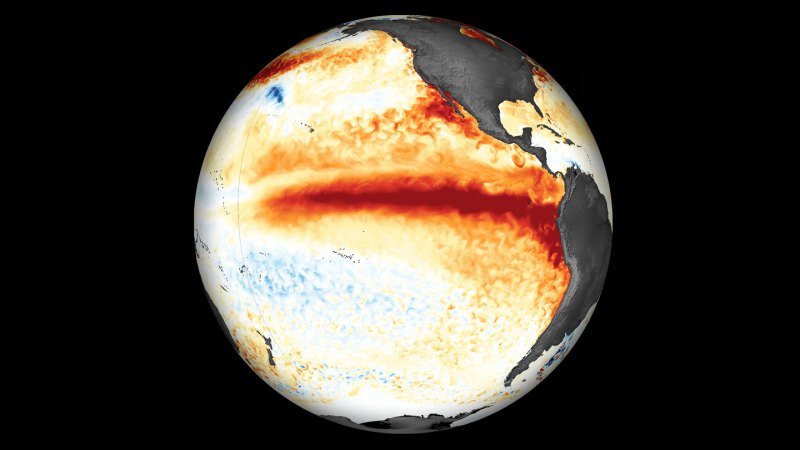
2026’s El Niño is record-breaking — and it’s not done yet
Since June, scientists have been warning that Earth might experience an El Niño unlike any other. It now appears they were right. The periodic climate beast that emerged this year…
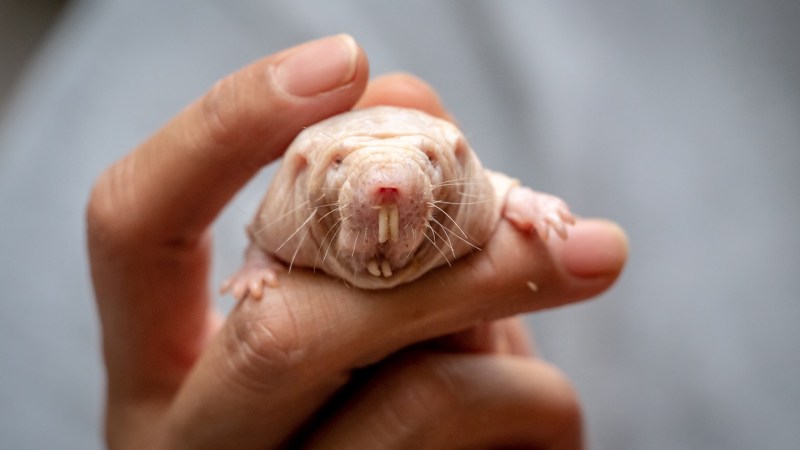
Among naked mole-rats, a royal’s scent keeps the peace
Imagine a superhero that can release a smell so pungent that its enemies stop fighting. For naked mole-rats, the queen wields such power. Naked mole-rat queens release a calming scent to control their colonies,…
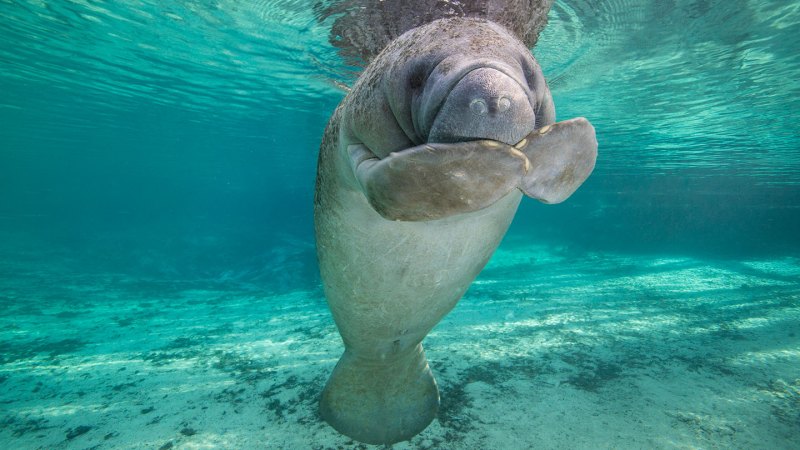
Farting fish and tooting manatees — how some animals use gas
Humans aren’t the only animals who fart. Take Dakota, an English cocker spaniel. When she was getting older, she could no longer hold in her gas, says Em Finke, Dakota’s…

Burps and farts: Why the body is such a gas
One recent morning, as I was getting ready for the day, I carefully snapped a small sensor to my underwear — right under my butt. Then I worked out, did…
Species extinctions: what can we learn from the past?
Abstract Our planet has millions of amazing species of plants and animals. But scientists now believe that Earth is having an extinction crisis caused by humans. Hundreds of species have…
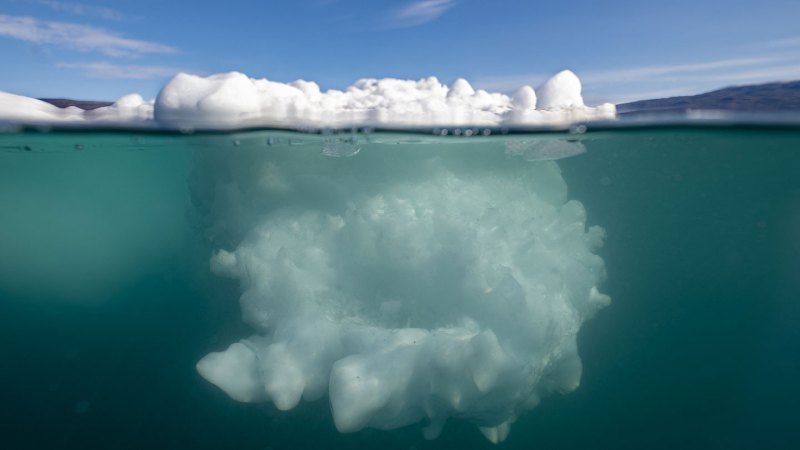
Analyze This: Even as Earth’s oceans warm, one spot has gone cold
Earth’s oceans are heating up. But since the 19th century, one patch in the North Atlantic has cooled by about 1 degree Celsius (1.8 degrees Fahrenheit). Scientists now think they…
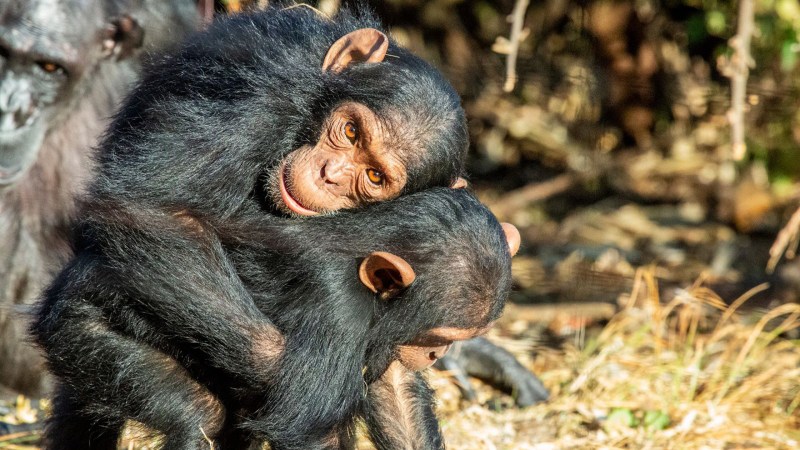
Cuddling helps apes keep the peace
Hugs and kisses could help primates keep the peace. A new study shows that chimps and bonobos might use friendly physical touch to calm each other in stressful situations. Let’s…
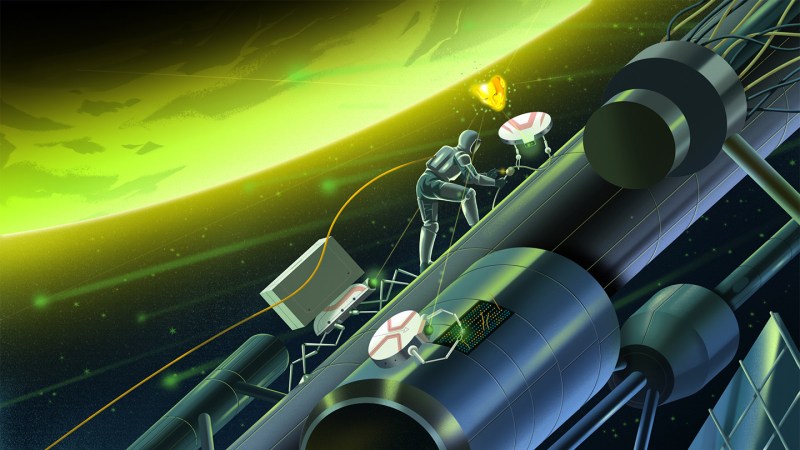
AI … in space!
In the movie WALL-E, the last Earthlings travel through the Kuiper Belt on board the starship Axiom. For 700 years, a fully automated crew of robots has cared for them…
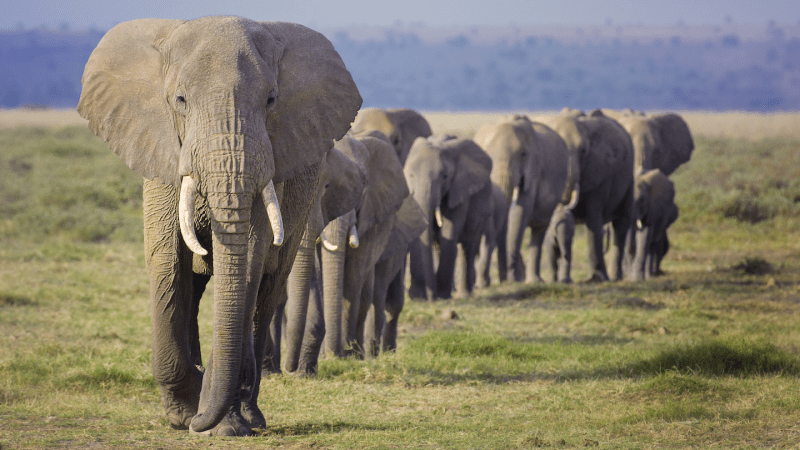
Scientists Say: Paradox
Paradox (noun, “PAR-uh-dox”) A paradox is when a scenario seems — at first — impossible. It goes against what your gut feeling tells you is true. Once resolved, however, a…