Subsidence (noun, “sub-SY-dens”)
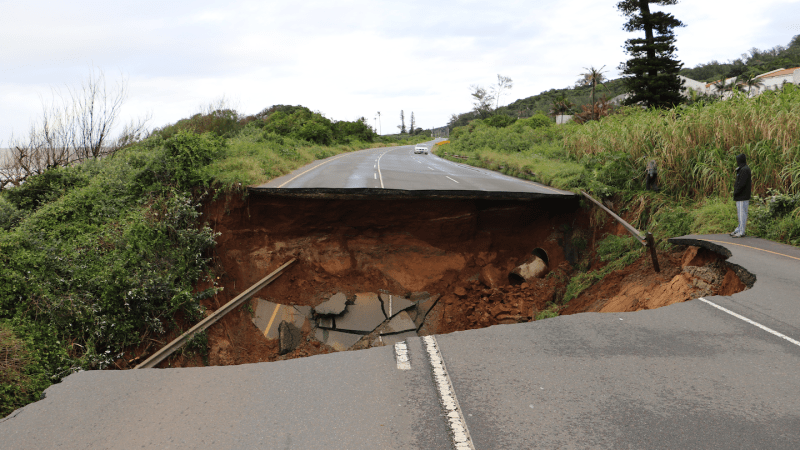
Subsidence happens when land sinks because water, soil, rock or other underground materials are removed. It can happen quickly, with the sudden appearance of a sinkhole or abrupt shift during an earthquake. It can also happen gradually as people remove groundwater from aquifers. Over time, the overlying land sinks down to fill the open space.
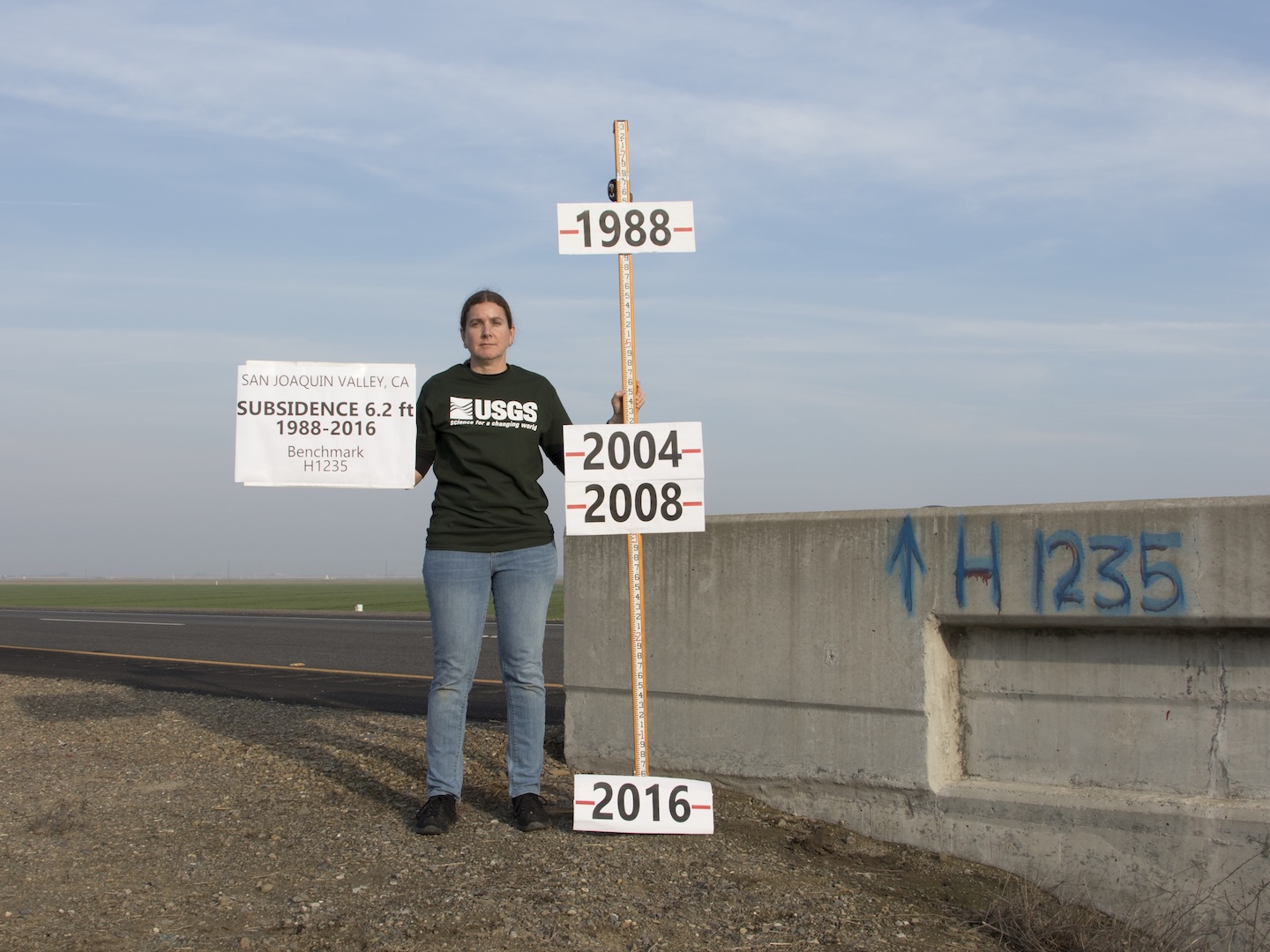
Most subsidence occurs in areas where people pump groundwater out of aquifers. These natural storage areas are not underground lakes. Rather, they are porous rocks that hold water like vast sponges. Water that soaks into the ground after a good rain or snowmelt fills the spaces in the rock.
When we dig wells, we tap into these groundwater sources. But the more water we remove, the more air pockets we leave behind. Overlying rock and soil collapse into the porous rock, causing the surface to sink. Aquifers can take thousands of years to refill with water. So subsidence is an ongoing issue in many places.
Sometimes subsidence happens because people remove other substances from the ground. This includes mining for minerals or drilling for oil or natural gas. When those materials are removed, land settles into the gaps, leading to subsidence.
Subsidence happens around the world, but it is more common in areas with large cities and lots of agriculture. Human activity in these places can lead to overuse of groundwater. Cities face an additional problem if they are built on fine sediments left behind by rivers. These types of sediments can sink under the heavy weight of buildings and other structures. New York City and Shanghai, China, have both experienced subsidence due to the weight of their buildings.
In a sentence
As many coastal cities sink due to subsidence and face sea level rise, they become more likely to flood.