Let’s learn about life forms that have survived in space
Plenty of species have gone to space. Monkeys and dogs were among the first astronauts and cosmonauts. Those animals were sent on missions to see how space travel might affect…
Scientists finally know why ice is so slippery
Slippery ice is something most of us have encountered, whether it’s been under our boots, car tires or skates. But why ice is so slick has puzzled scientists for centuries.…

Scientists Say: Logarithm
Logarithm (noun, “LOG-uh-rih-thəm”) A logarithm refers to the number of times you must multiply a number by itself to get another number. You can think of logarithms as another way…
How did scientists share their findings during the COVID-19 pandemic?
Abstract Do you remember the lockdowns during the COVID-19 pandemic? Leaders had to make fast choices. But how did they know what to do? We looked at the work of…
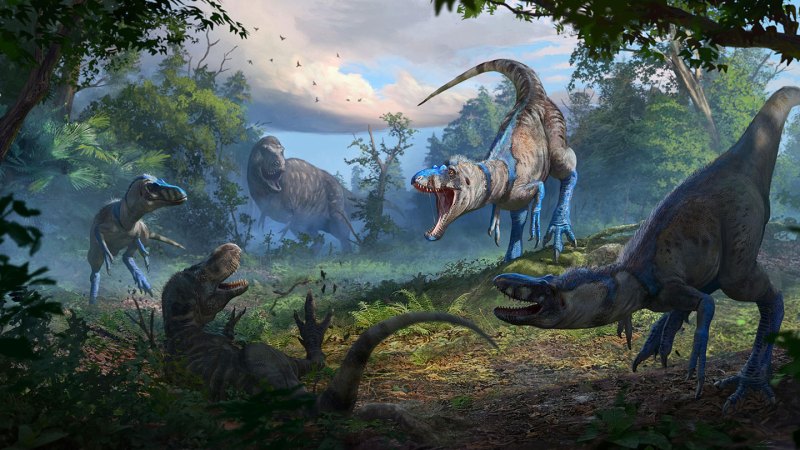
Newfound fossil is not a teen T. rex but a whole new species
For more than 30 years, researchers have debated whether a fossil of a small but fierce dinosaur came from a teen Tyrannosaurus rex or some other species. Now two new…
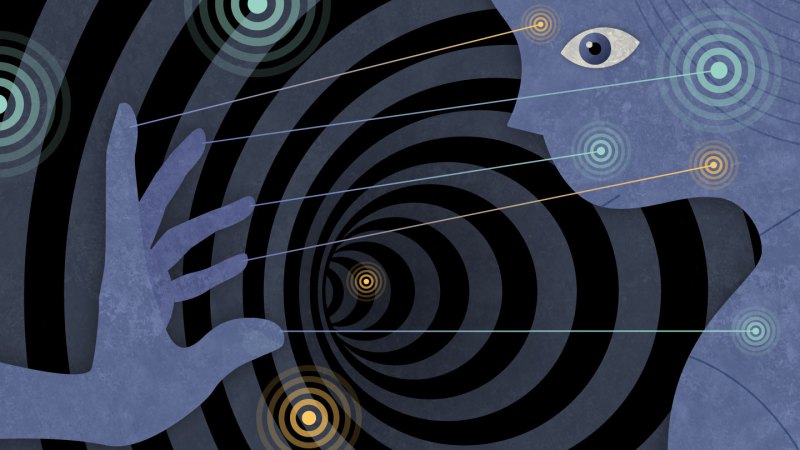
Hypnosis isn’t magic. It’s the brain at work
When Tina Hesman Saey was in middle school, she saw a hypnotist perform at a student assembly. At first, she was skeptical. She’d seen hypnosis on TV, and it seemed…

Air pollution might harm children’s eye health
Polluted air is bad for your lungs. That dirty air might also be why many kids need glasses, new data show. This observation comes from a study of vision in…
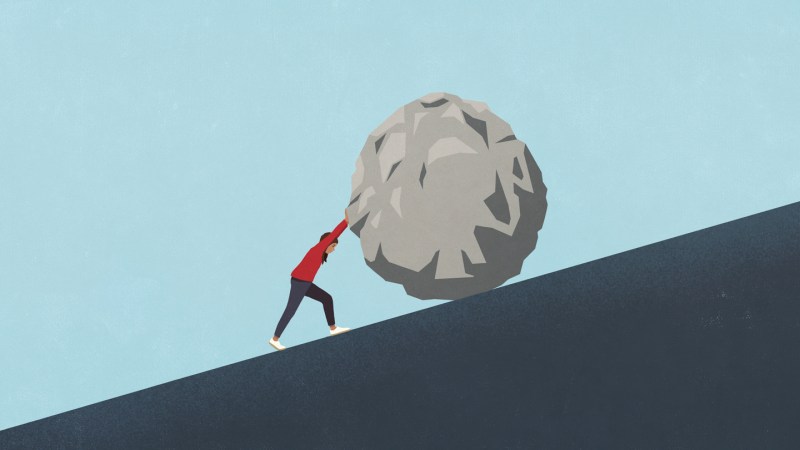
Sometimes the best way to reach a goal may be to quit an old one
In the classic story The Little Engine That Could, a small blue locomotive laboriously chugs up a hill. She’s hauling cars stuffed full of toys and food for children on…
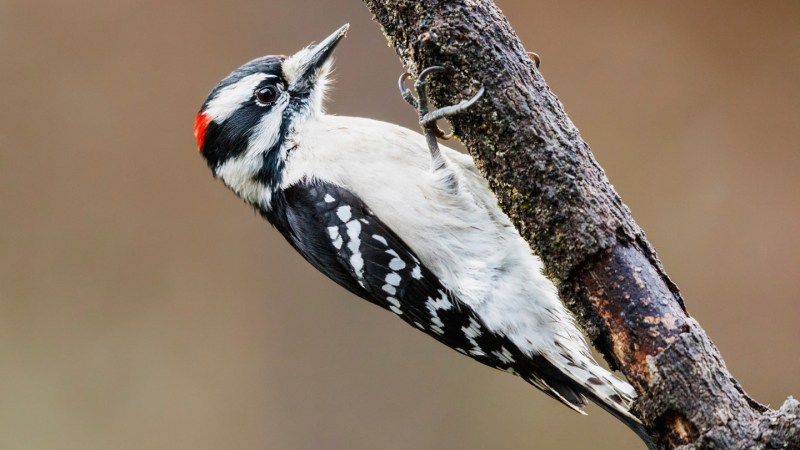
Woodpeckers grunt like tennis players when they peck
Hidden beneath all their rum-pum-pumming, woodpeckers are quietly grunt-grunt-grunting. The birds exhale each time they strike their beaks against tree bark. The sound is similar to a tennis player’s grunt…
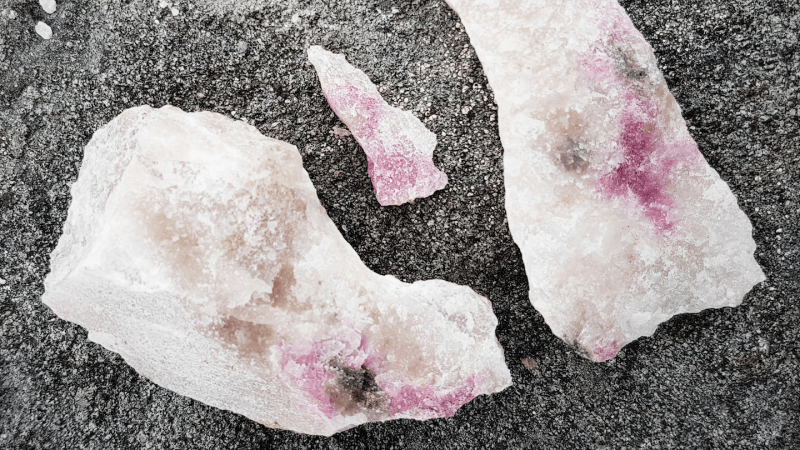
Scientists Say: Tenebrescence
Tenebrescence (noun, “Ten-eh-BREH-sənse”) Tenebrescence is a property of some minerals that change color under certain lights, such as ultraviolet (UV) or bright sunlight. These color shifts last even after light…